
Different disciplines, one movement culture
At ATC the disciplines are not rivals but different routes to the same aim: making movement a natural part of your life.
We bring Pilates, fitness, yoga and other developing training disciplines together under a single movement culture. Our disciplines and programmes continue to develop and diversify from period to period. Whichever discipline you choose, the approach you will meet is the same: a start based on getting to know you, a planned programme and a process that is tracked.
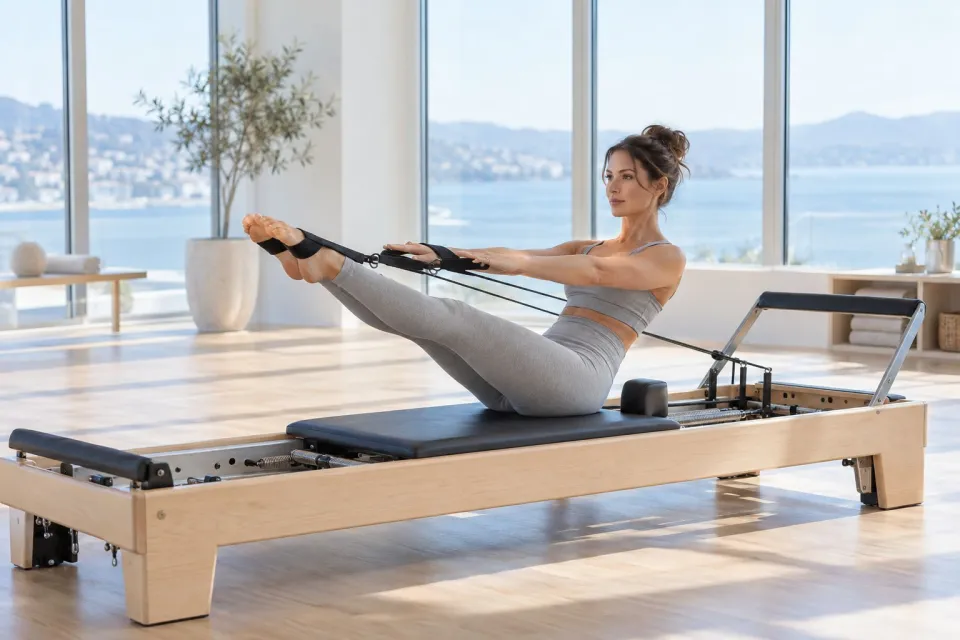
Pilates
Strength starts from the core.
Built on control, balance and core strength, and adaptable to every level.
Go to Pilates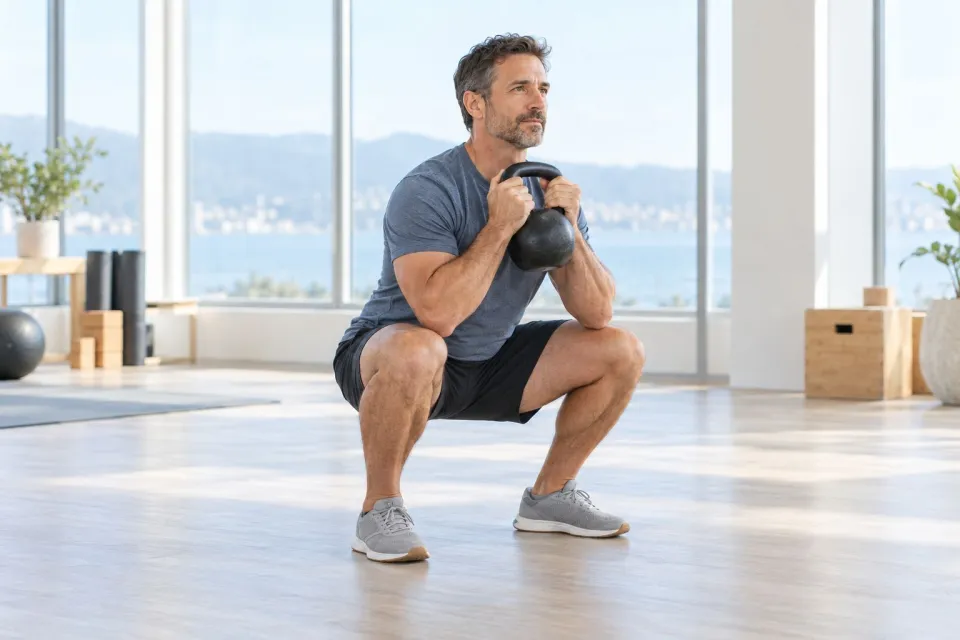
Fitness
Get strong for life.
Planned training for the strength, endurance and movement quality you use every day.
Go to Fitness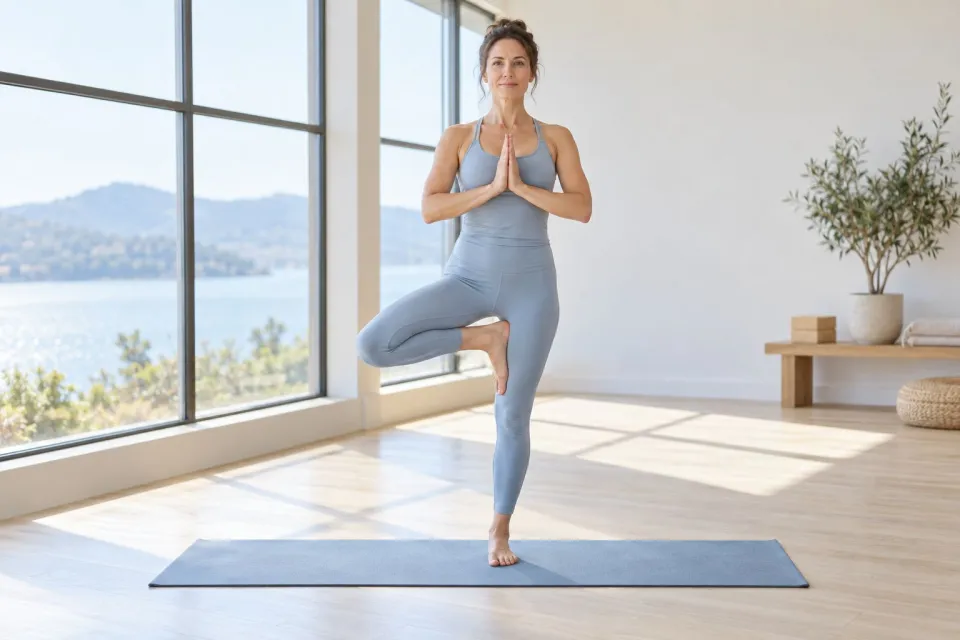
Yoga
Movement, breath, balance.
A practice that joins breath with movement, makes room in the body and slows the pace of the day.
Go to YogaWhich discipline suits you?
You do not have to know which discipline is right for you. By looking at your goals, your experience and your needs, we can decide together on the discipline and the way of working that suit you. Still, if you would like to form an initial idea, the questions below may help you think it through.
What matters most to you?
- If control, postural awareness and balance come first, Pilates can be a good starting point.
- If you want strength, endurance and to feel stronger in daily life, you can look at the fitness programmes.
- If you want to slow down, focus on your breath and make space for your body, yoga may appeal to you.
What kind of pace do you like?
Some people prefer calm, focused work, while others prefer brisk training that makes them sweat. Pilates and yoga generally move at a more controlled rhythm; in fitness sessions the pace varies across a wider range depending on the goal. A pace you enjoy makes it easier to keep going regularly; and in the long run that matters more than the choice of discipline.
What is your level of experience?
All three disciplines can be adapted from beginner level through to experienced participants. Never having exercised before is not an obstacle. Our programmes are planned for different levels of experience and fitness.
Thinking of the disciplines side by side
The summary below describes the general character of the disciplines. It does not draw hard lines; even within the same discipline, the content of a class varies according to level and goal.
Pilates
Focus: the core, control, balance. Rhythm: calm and attentive. Slogan: “More control. More balance. More strength.”
Fitness
Focus: strength, endurance, movement quality. Rhythm: varies with the goal. Slogan: “Training here. Performance everywhere.”
Yoga
Focus: breath, flexibility, balance. Rhythm: slow and flowing. Slogan: “Slow down a little. Move better.”
Three example situations
To make the choice more concrete, let us give three situations we come across often as examples. These are not firm prescriptions, but starting ideas to help you think.
Someone who works at a desk all day
For someone who works sitting down for long hours and feels stiff in the evenings, controlled and attentive work can be a good way in. Pilates focuses on the core and postural awareness, while yoga focuses on range of motion and the breath. In time, strength work can be added on top of the control that has been gained.
Someone who runs or plays tennis at weekends
For someone who keeps up an activity they love but has no regular training to support it, a fitness programme may come to the fore. Strength and balance work complements the time spent on the court or on the route. In busy weeks, a yoga class can serve as a break set aside for recovery.
Someone returning to exercise after years
What people returning after a long break most often do is try to carry on from where they left off. But the body is not at that point. In this case, how the start is made matters more than the discipline: an initial assessment, a measured first period and gradual progression. The discipline is chosen together, according to goal and preference.
How do the disciplines work together?
The reason we do not squeeze ATC into a single discipline is that the body cannot be reduced to a single quality either. Strength, range of motion, balance, control and breath affect one another. Progress in one area is often reflected in another.
- Pilates + fitness: Core control and awareness of alignment can help movements done with weights to be performed more cleanly.
- Fitness + yoga: Setting aside time for range of motion and the breath alongside strength work can help to establish a weekly balance.
- Yoga + Pilates: Both are based on attentive, controlled work; one places more weight on flow and stretching, the other on the core and stability.
There is no need to do them all at once. Most people start with a single discipline; a second one comes up when the need and the wish arise.
One-to-one or group?
Depending on the discipline, there are options to work one-to-one or in a group. You can decide on the model that suits you according to your goals and preferences. Each of the two models has its own strengths:
One-to-one sessions
- The programme is built entirely around you, and throughout the session the trainer’s attention is on you alone.
- It can offer a comfortable start for beginners, those returning after a long break or those focused on a specific goal.
- Pace and content can easily be adjusted to how you are that day.
Group sessions
- The energy of moving together and the discipline that a regular class time provides can be motivating.
- The trainer presents the movements with options suited to different levels.
- For those who enjoy working in a social setting, it creates a sustainable routine.
Which model is offered in which discipline, group sizes and class times may change from period to period. For the current schedule you can get in touch with us.
Levels and progression
We know that someone starting for the first time and someone who has been exercising for a long time do not have the same needs. For this reason, a level is not a label but a starting point. In our short initial assessment process we learn about your training history, your goals and the points that need attention, and we position the programme accordingly.
Progression is handled with the same logic. Your progress is tracked; the programme is updated according to how your body responds. We have explained in detail how this process works on the Our Approach page.
How many days a week?
There is no single answer to this question that holds for everyone. Frequency depends on your goal, the discipline you choose, your current fitness and your daily life. Our trainers help you to create a routine that is sustainable for you.
As a general principle, a measured programme you can keep up regularly is worth more than an intense programme that does not fit into your life. The effect of one hour of training shows when you can repeat that hour week after week.
Common questions about choosing a discipline
What happens if I choose the wrong discipline?
It is not a big problem. The first weeks are also a time for getting acquainted; if you find that the discipline does not suit you, you can talk to your trainer and consider another option.
I have never exercised; which is the easiest discipline?
We do not divide the disciplines into easy and hard; each can be adapted to beginner level. What counts is which way of working encourages you to keep going regularly.
Can I come to two different disciplines in the same week?
Disciplines can complement one another. You can plan your weekly routine with your trainer according to your goal, your fitness and your daily life.
Will new disciplines be added?
Our disciplines and programmes continue to develop and diversify from period to period. You can find out the current list by writing to us.
Before you start
You do not need to know every detail in order to decide. The path you can follow is short:
- Read the page of the discipline that interests you: Pilates, fitness or yoga.
- For the current trial class and introductory meeting options, write to us via the contact form or WhatsApp.
- Tell us about your goals in the initial assessment; let’s settle the discipline and the way of working together.
If you have a health problem, an assessment by a doctor or the relevant health professional may be needed before starting exercise. You can find the details on this subject on the Frequently Asked Questions page.